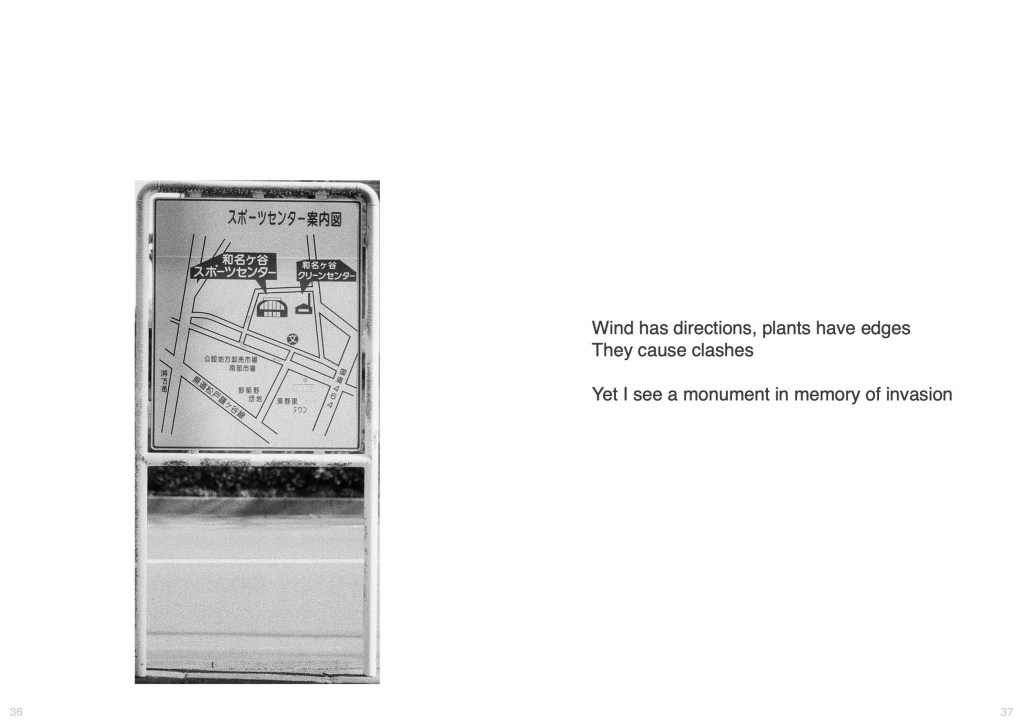
Wind has directions, plants have edges
They cause clashes

Yet I see a monument in memory of invasion
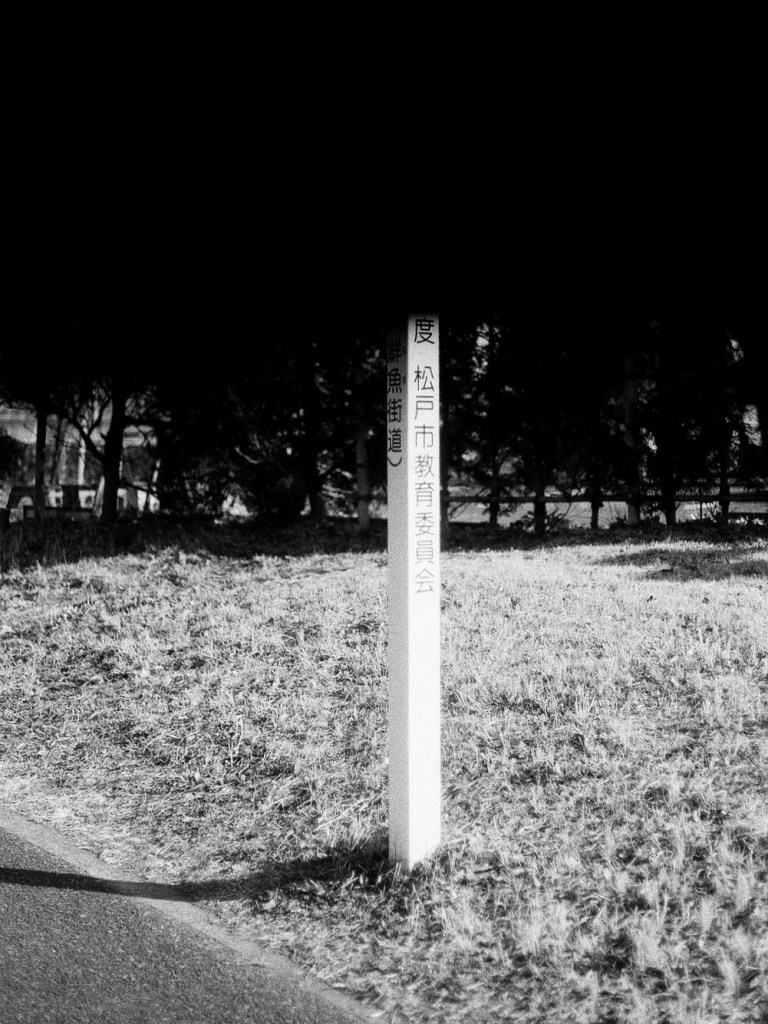
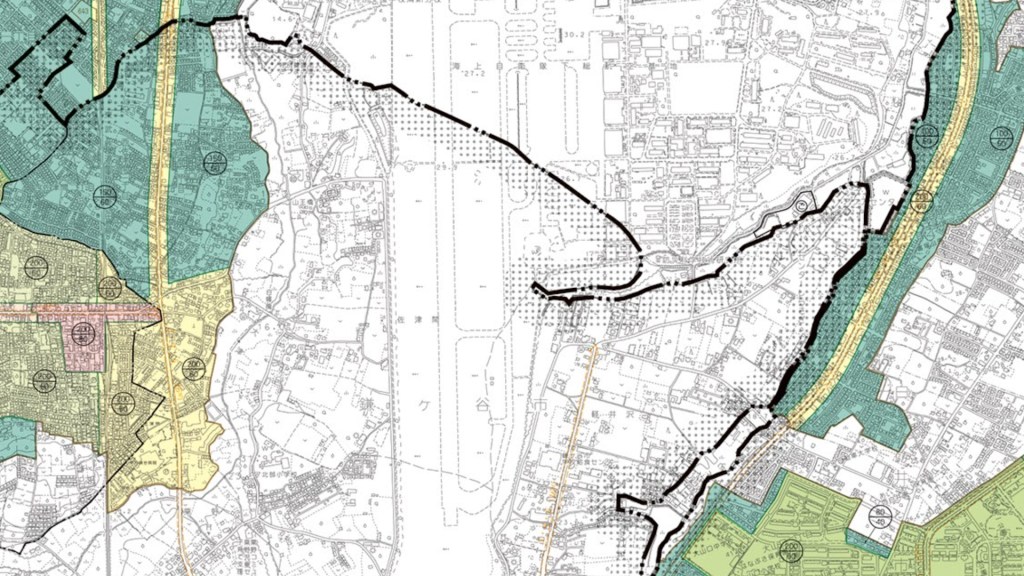
Freshreferencing (鮮魚街道を再参照する実践) is an image-based research project on Fresh Fish Road (鮮魚街道), an Edo-period express route that moved freshly landed fish inland. It travels from the Tone River through Inzai, Shiroi, Kashiwa, Kamagaya, and Matsudo, toward the Nihonbashi markets. Its “direction” was human-defined, a race against time from freshness toward decay. Today, the road’s name is gradually forgotten, and it no longer serves its original function.
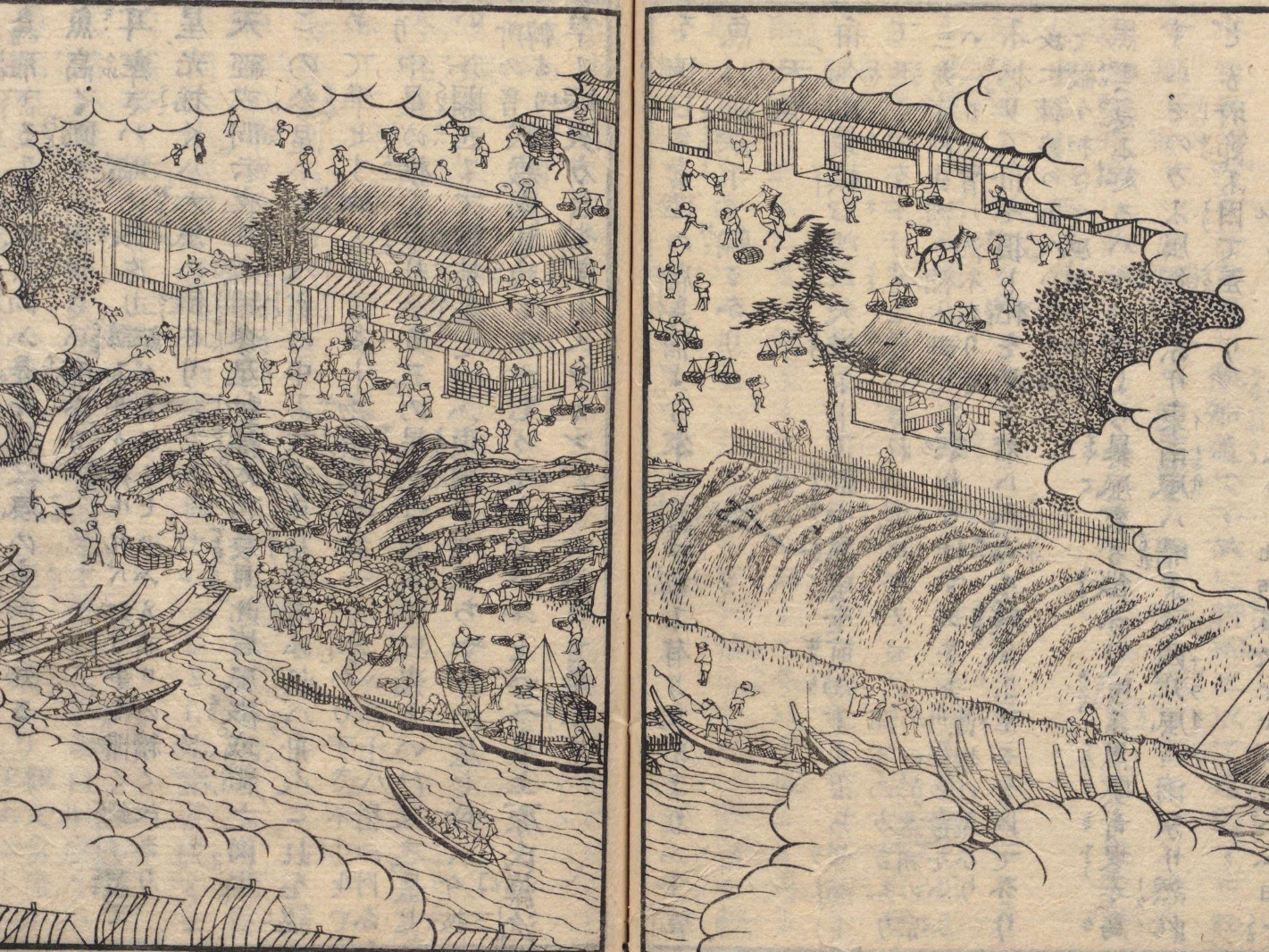
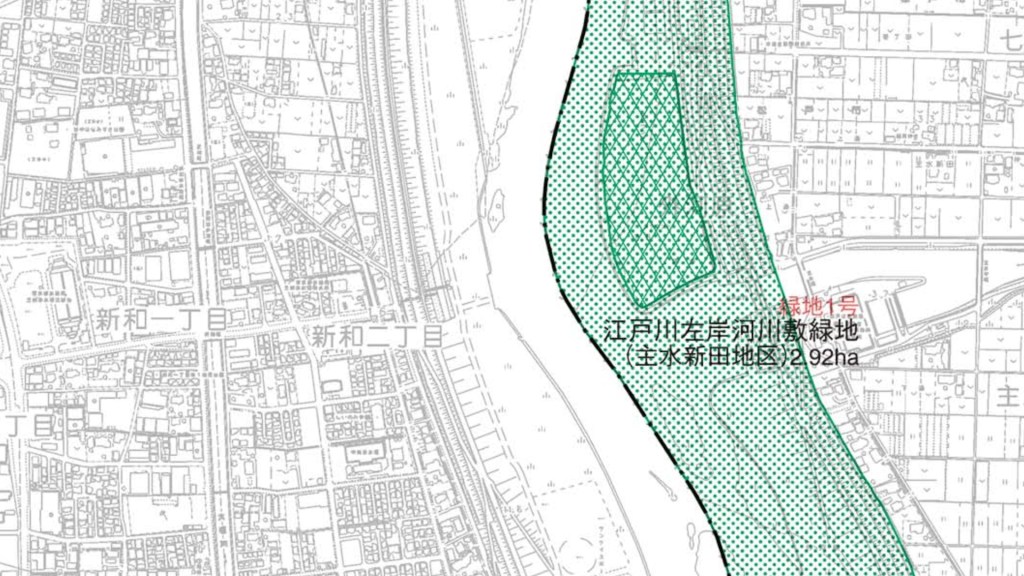
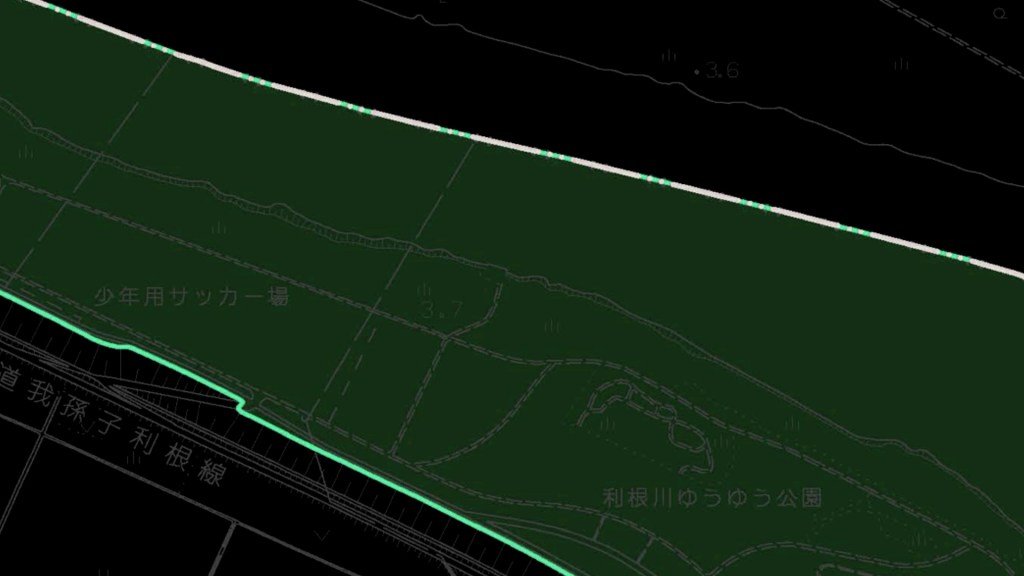
This project asks how to experience the Fresh Fish Road’s direction once its purpose has dissolved. It re-approximates the route as a fragmented map and assembles a field of spatial, temporal, and infrastructural vectors that looks into a broader discussion of which systems currently orient a place, and which systems they overwrite.
This project was initiated at Paradise Art Residency in Matsudo, Chiba, Japan. This page contains curated images and texts from the original project. To view documentation of its previous exhibition at Matsudo Civic Theatre, visit here.
I found all the unnamed roads
You talked to people like you were lost
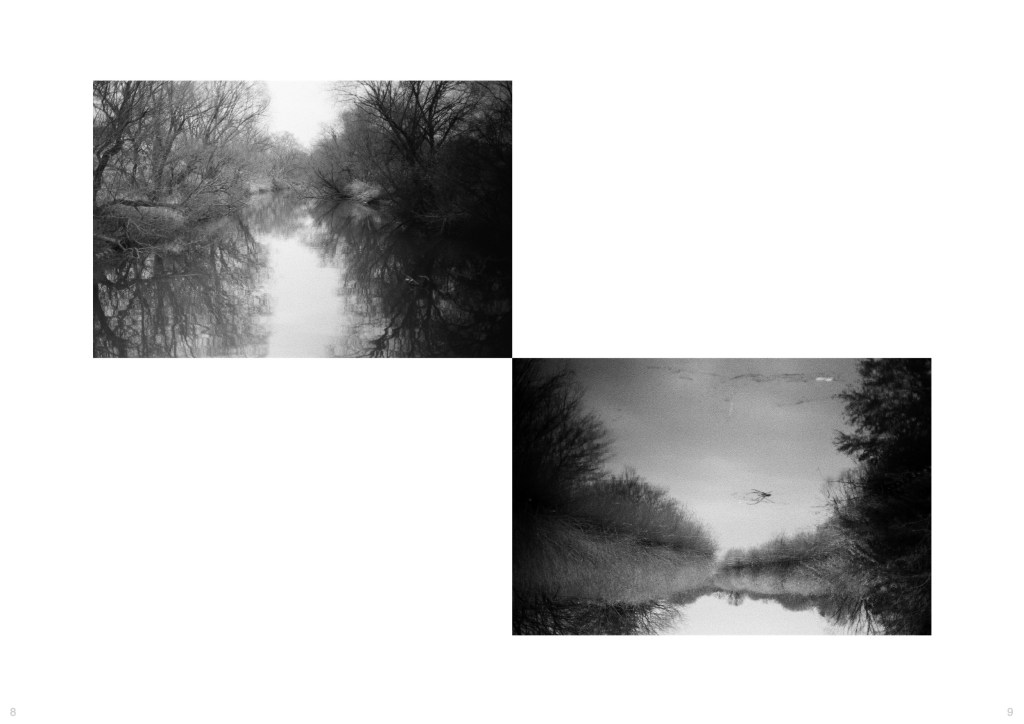
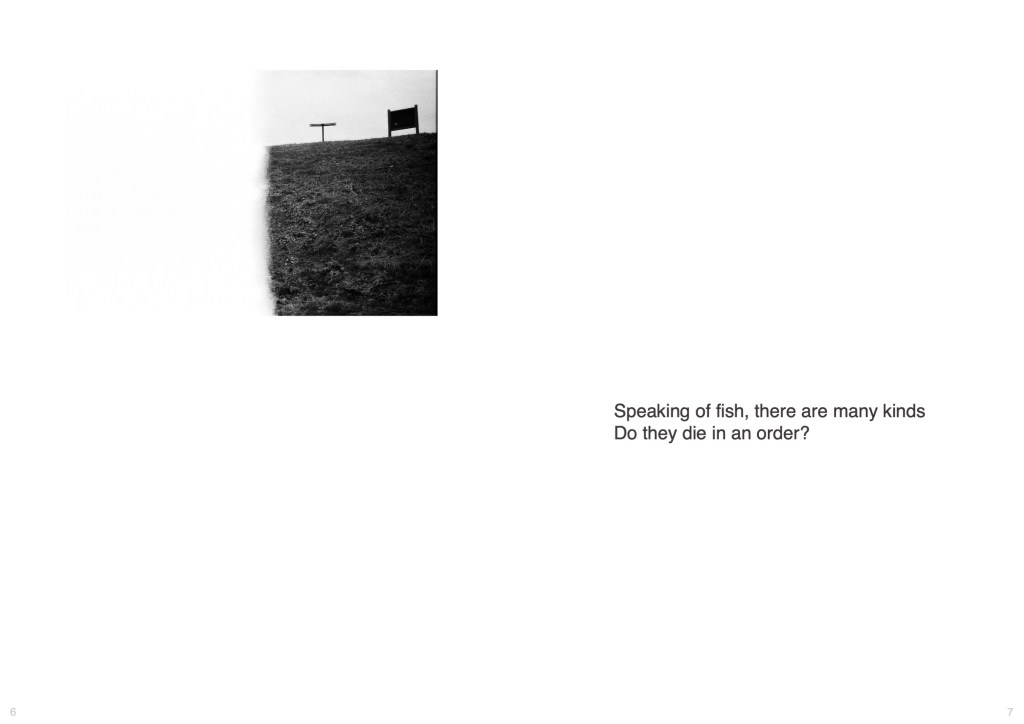
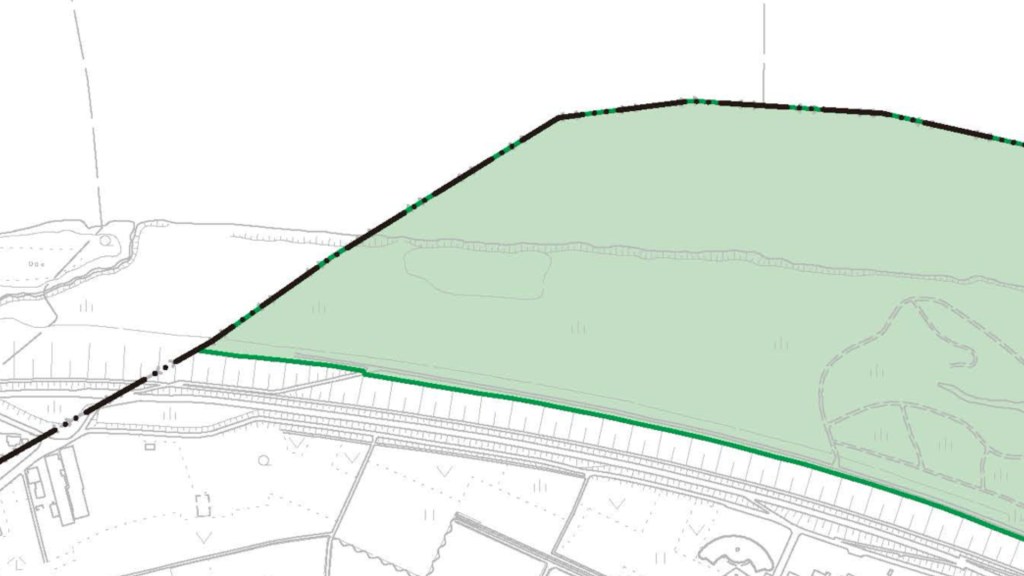
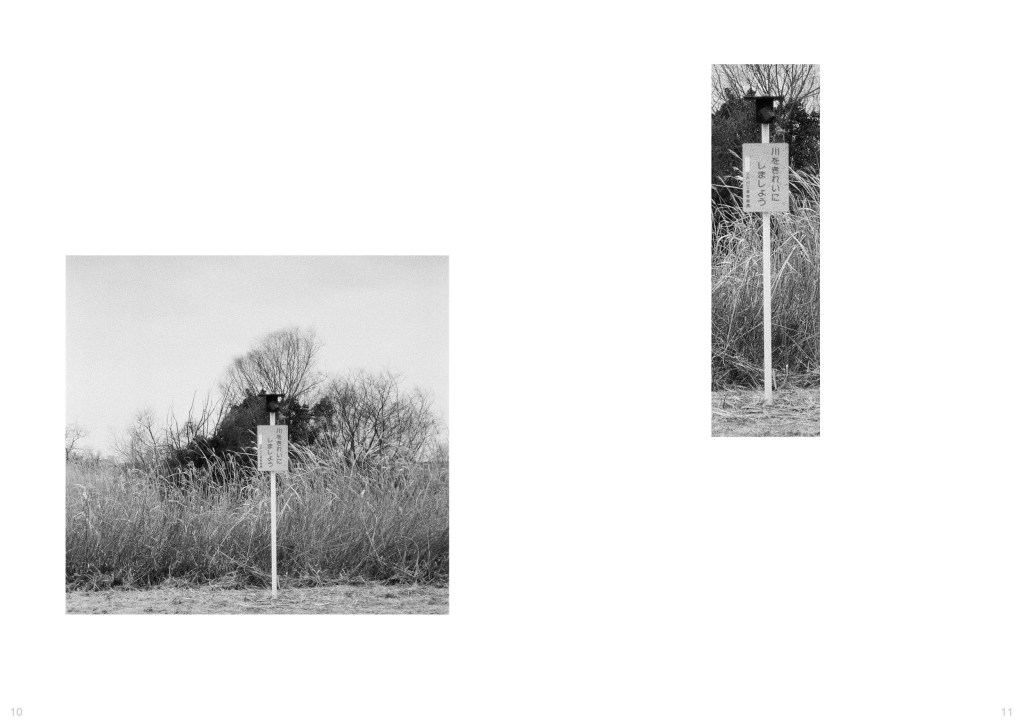
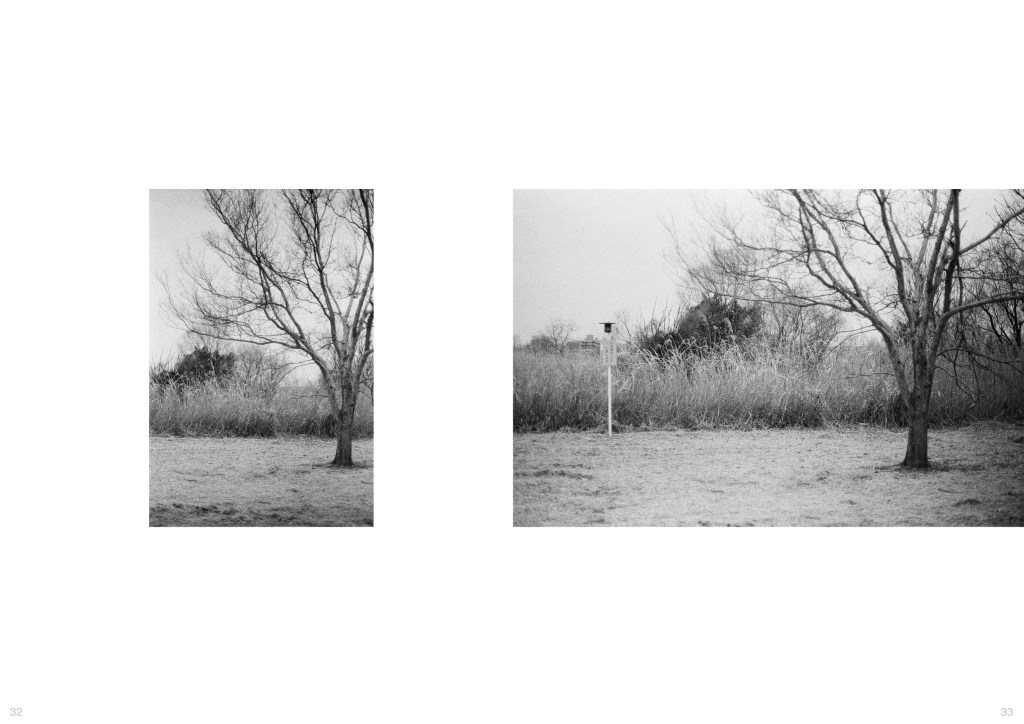
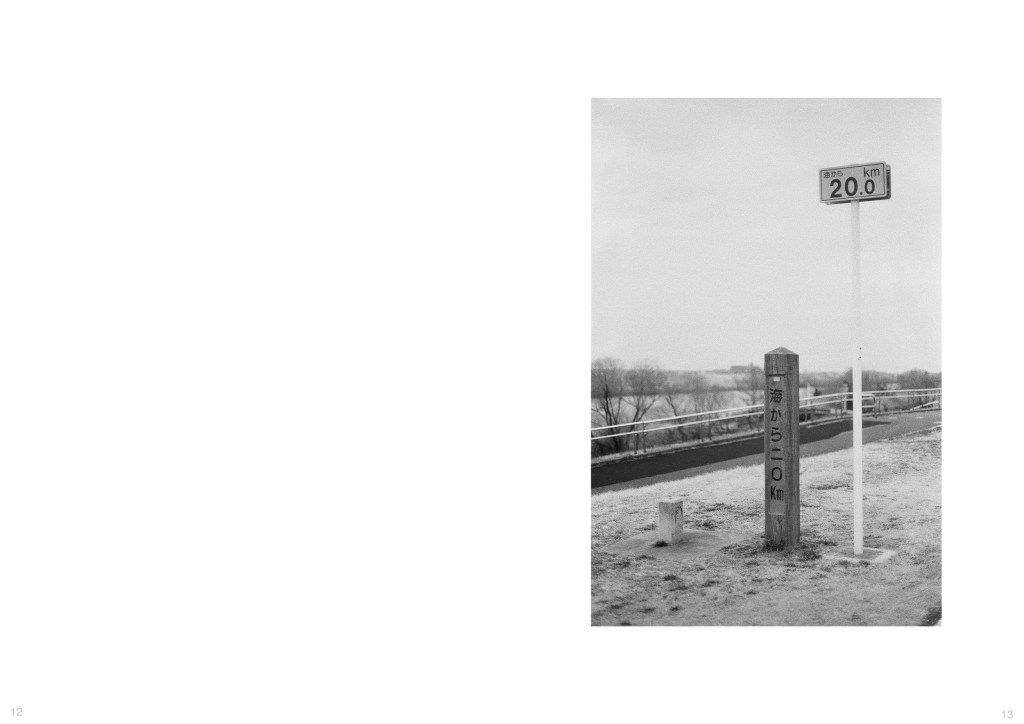
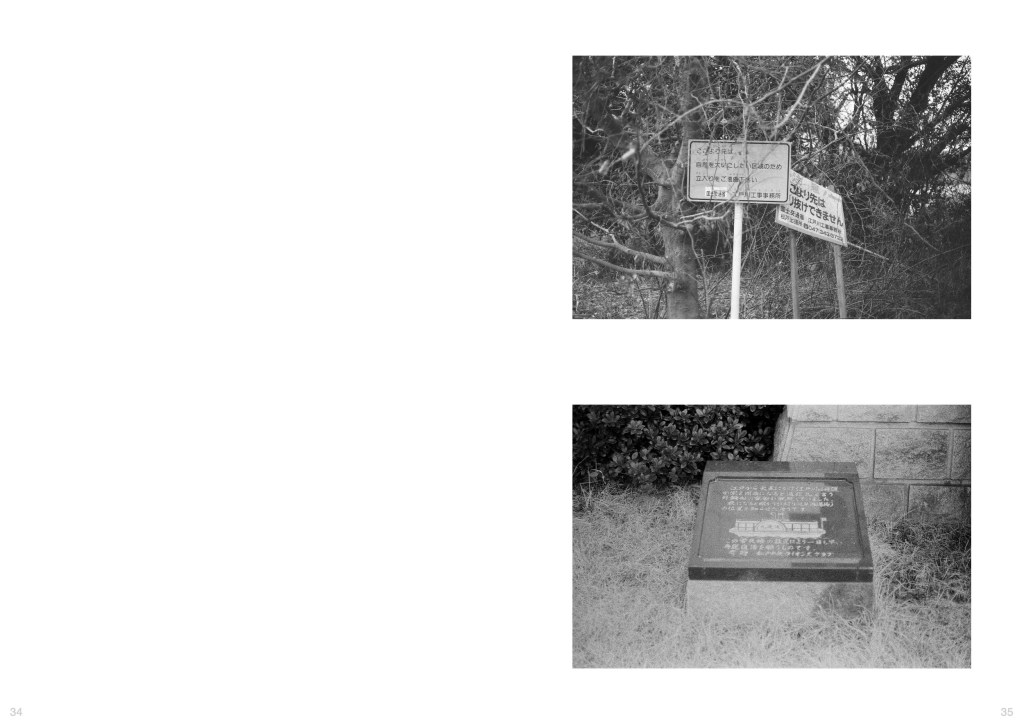
Along the road, there are many maps, signs, indicators, and monuments that document the present or historical landscapes of the neighborhood. Some sections of the original route are occupied by train tracks, parking lots, or gas stations. They are shown as “missing” on the map. Is it a physical loss of an already lost road, or is it forgotten after it is erased from the map?
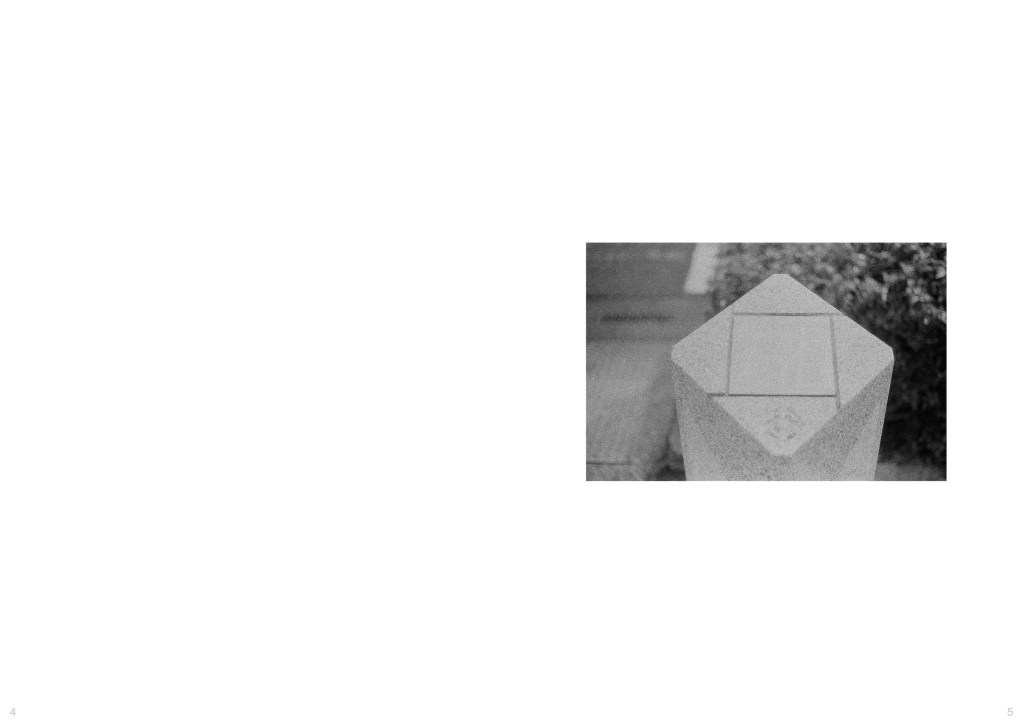
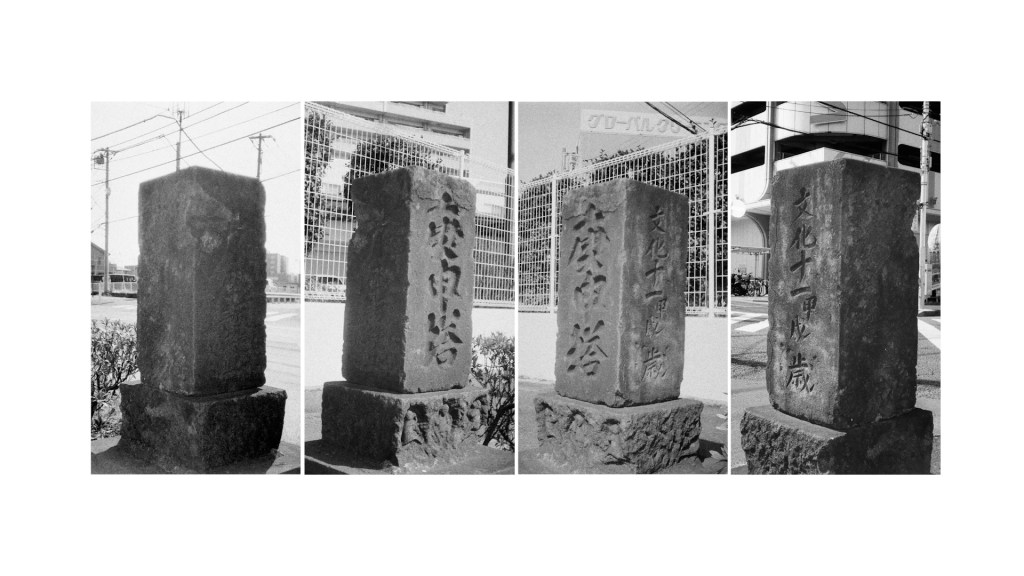
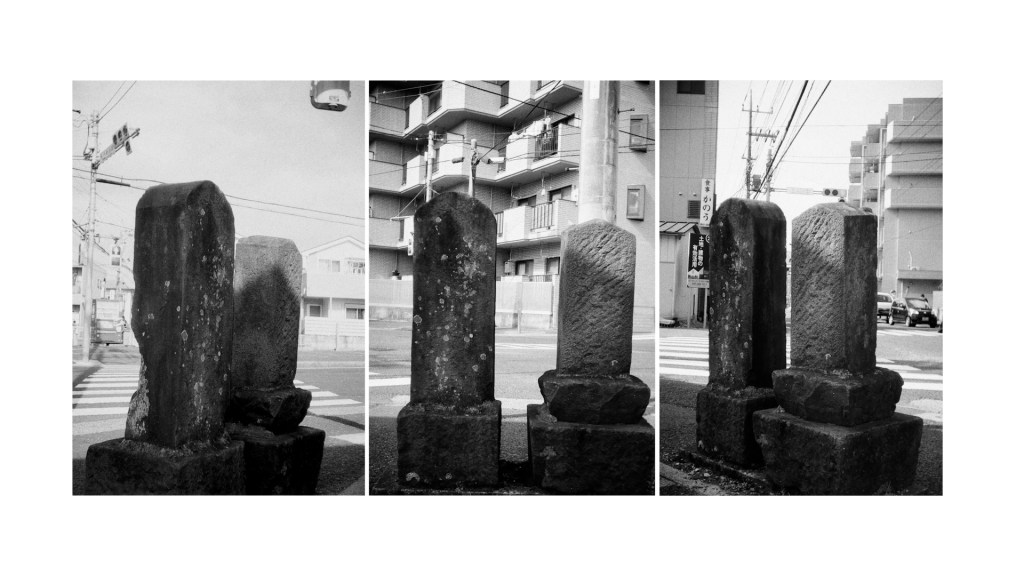
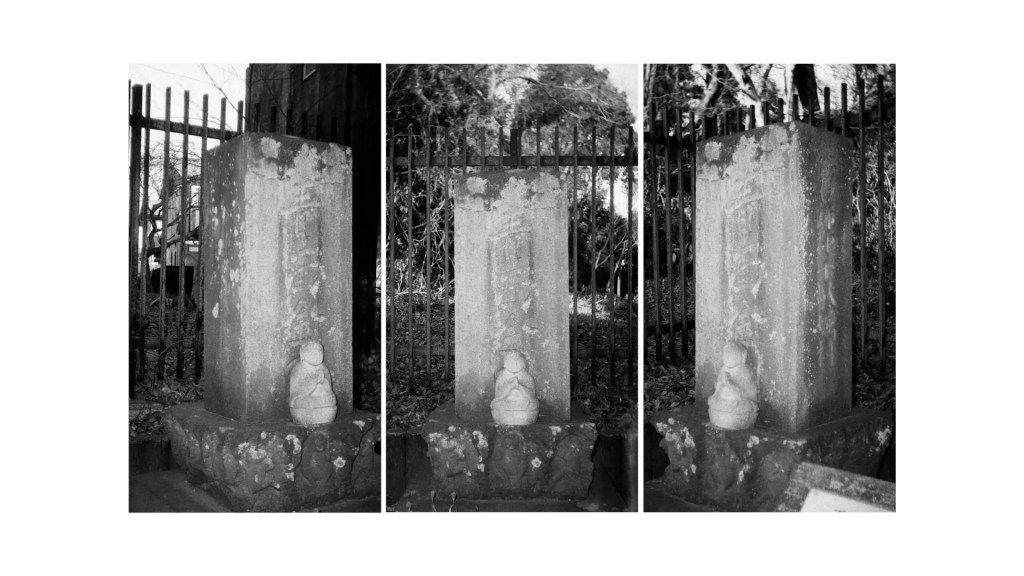
Along the road, Kōshin Towers (庚申塔) were placed at the entrances to former villages and at bends in the road, serving as waymarkers. Many of them have been relocated due to road construction or neighborhood redevelopment. They now face busy intersections with vehicles and traffic lights or sit silently in front of residential buildings. Most of them still carry their original religious meanings and are worshipped by local people. But what direction and location are they marking when they are no longer on the road? From which direction should we approach them?
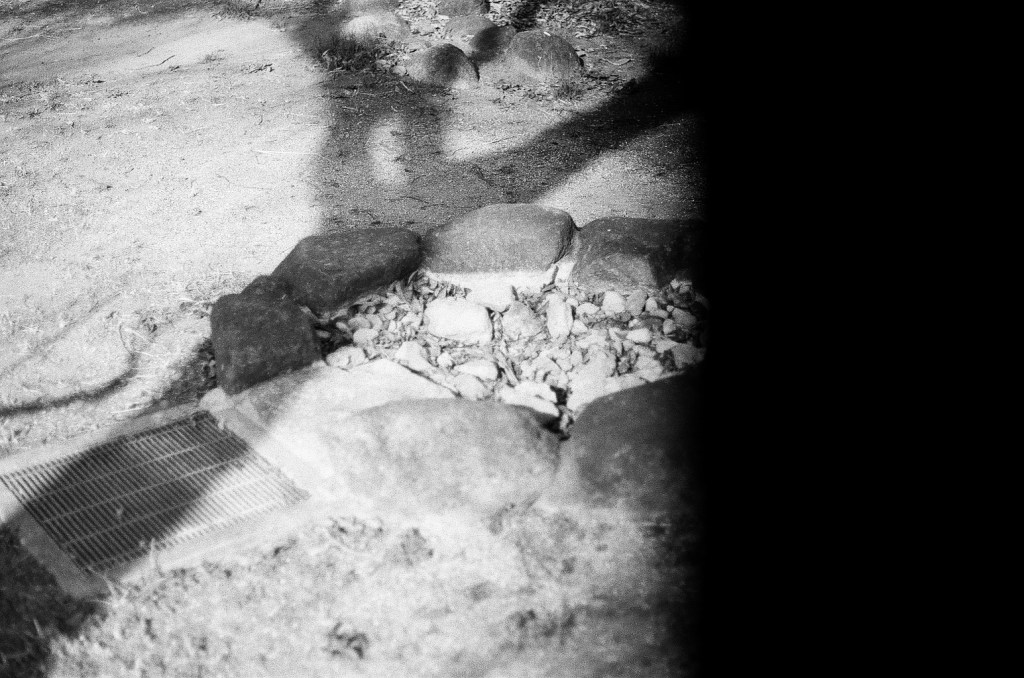
Horses were the main method of transportation for fresh fish along the Fresh Fish Road. Matsudo, as a city that served as a transit station for travel and commerce, developed many lodges for rest and overnight stays. Kowa Shimizu (子和清水) is a small spring site beside the road at the entrance to Matsudo that was used as a watering stop for people and horses. Here, horses and people ask for water, while fish are carried farther away from their original seawater. The origins of their lives are against each other.
Kowa Shimizu gave rise to the Yōrō spring legend, a local tale in which the spring water becomes sake and grants vitality to the elderly while appearing as plain water to others. But can spring water restore freshness to the fish?
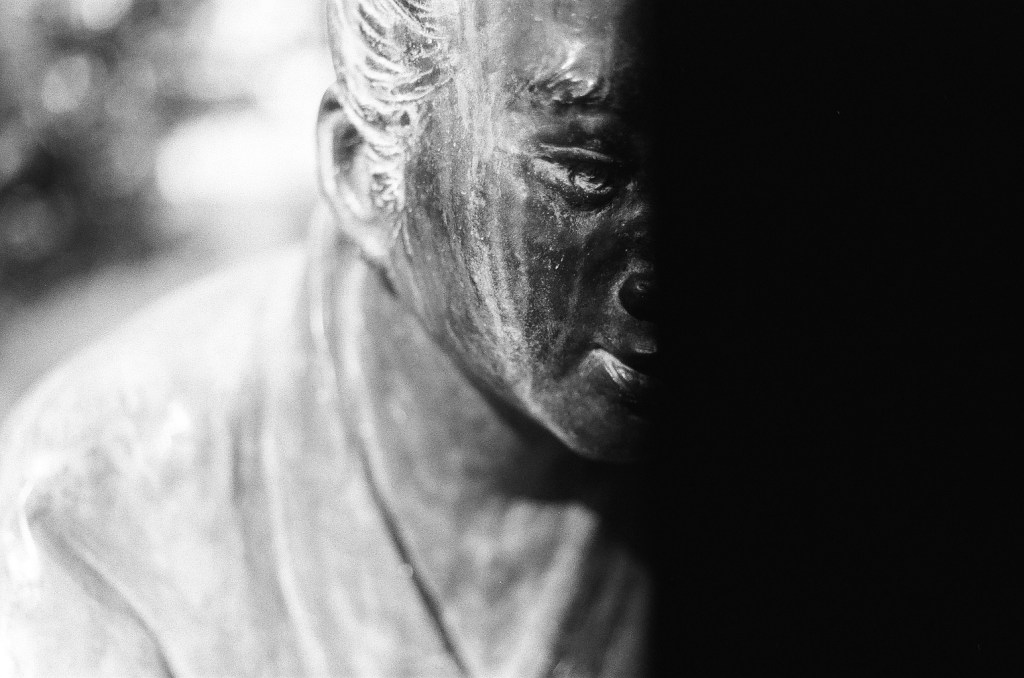
A well, with sake

Choked by you, horses
my only friends
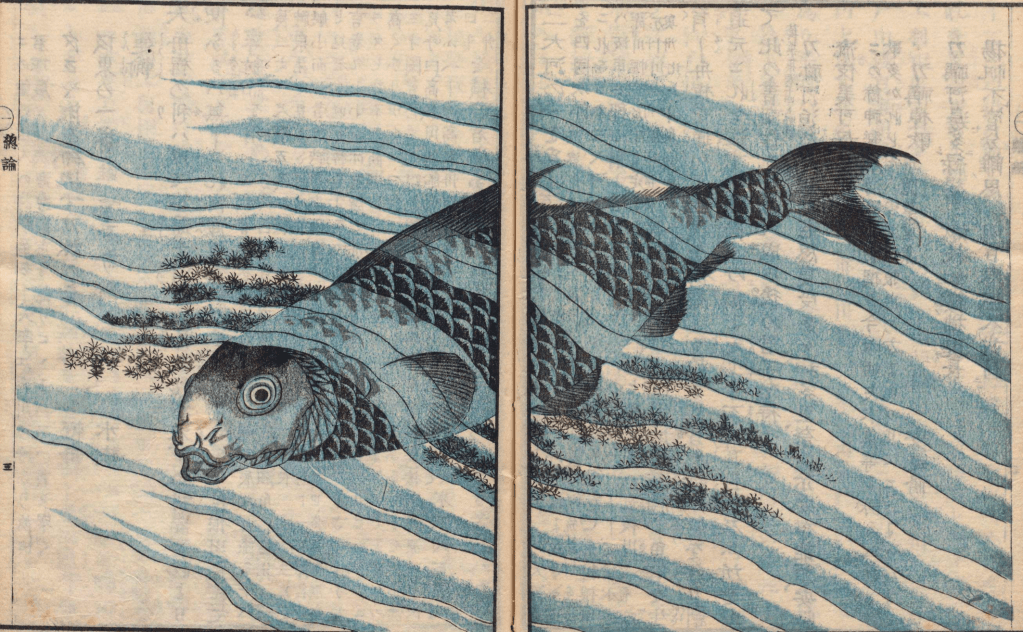
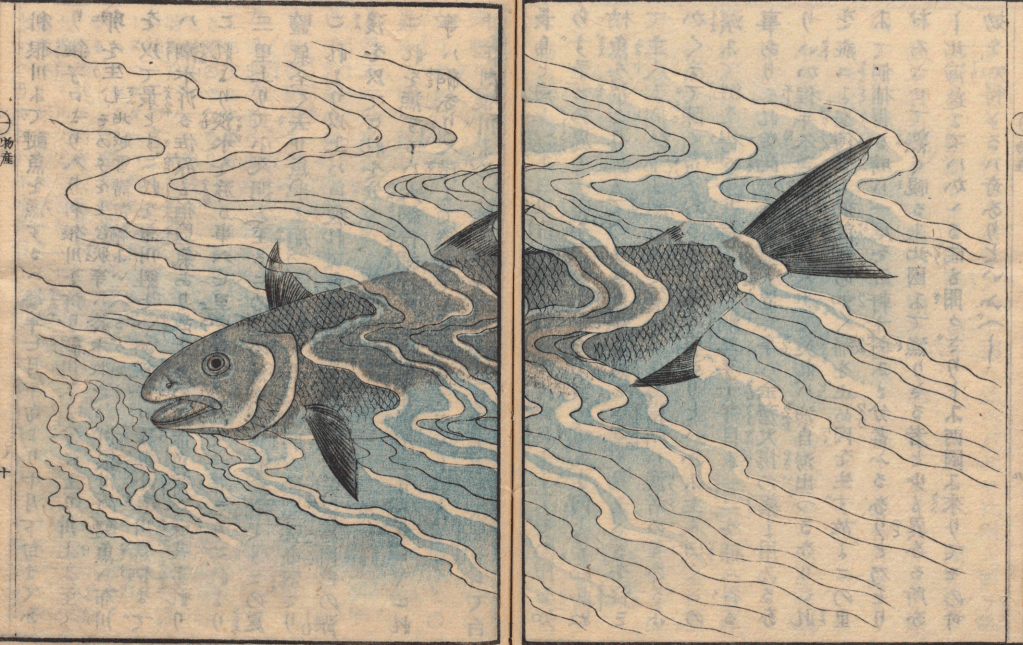
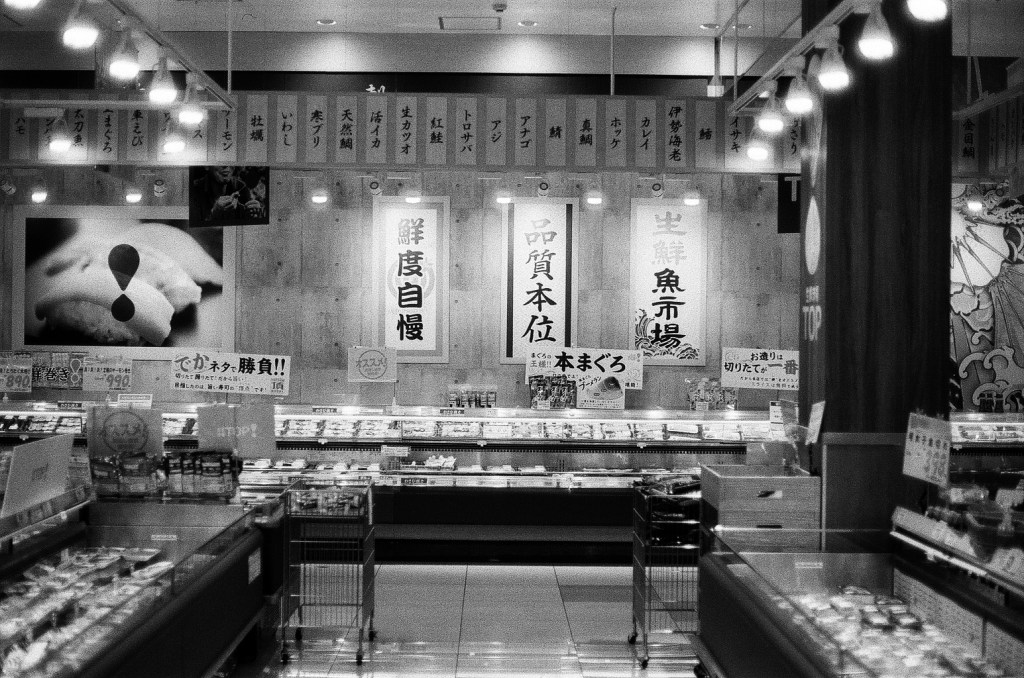
I fell, like swimming
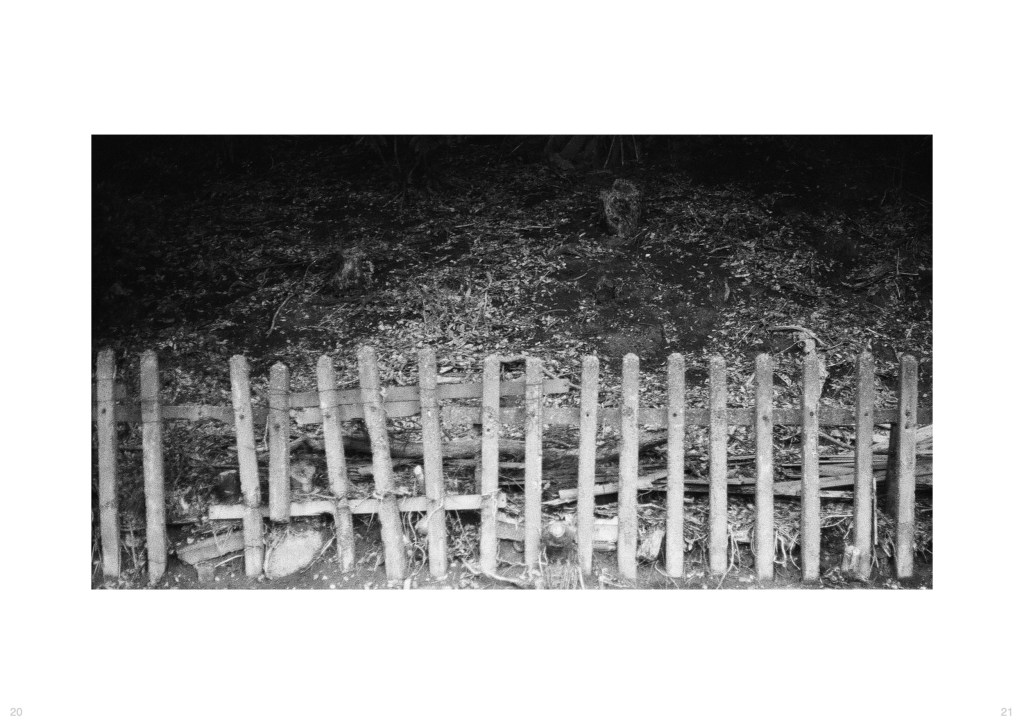
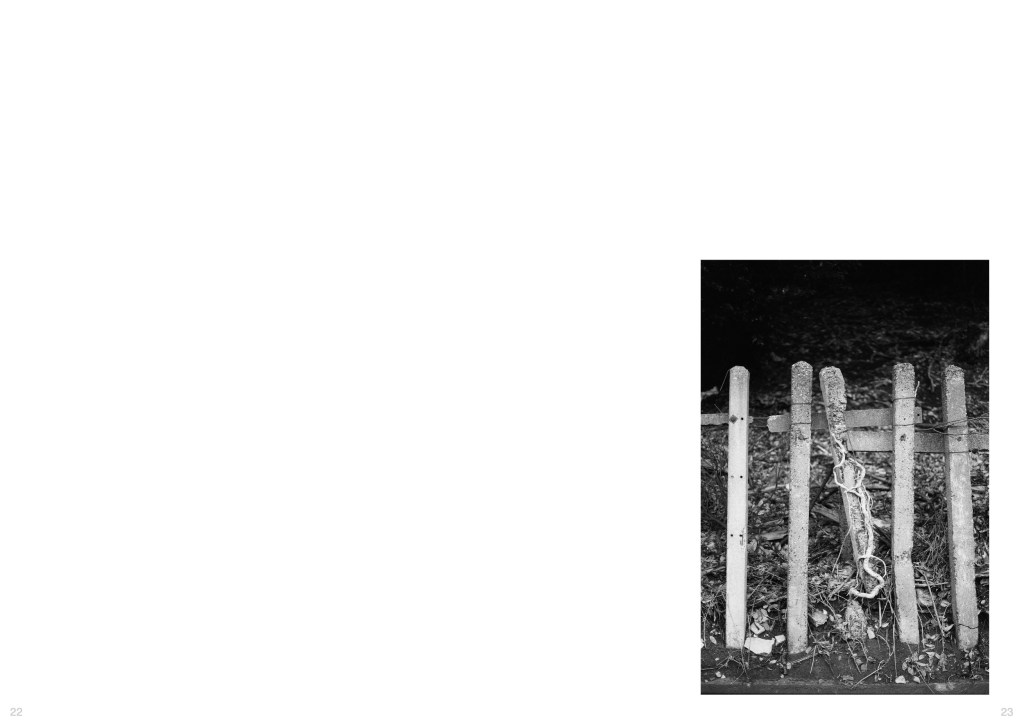
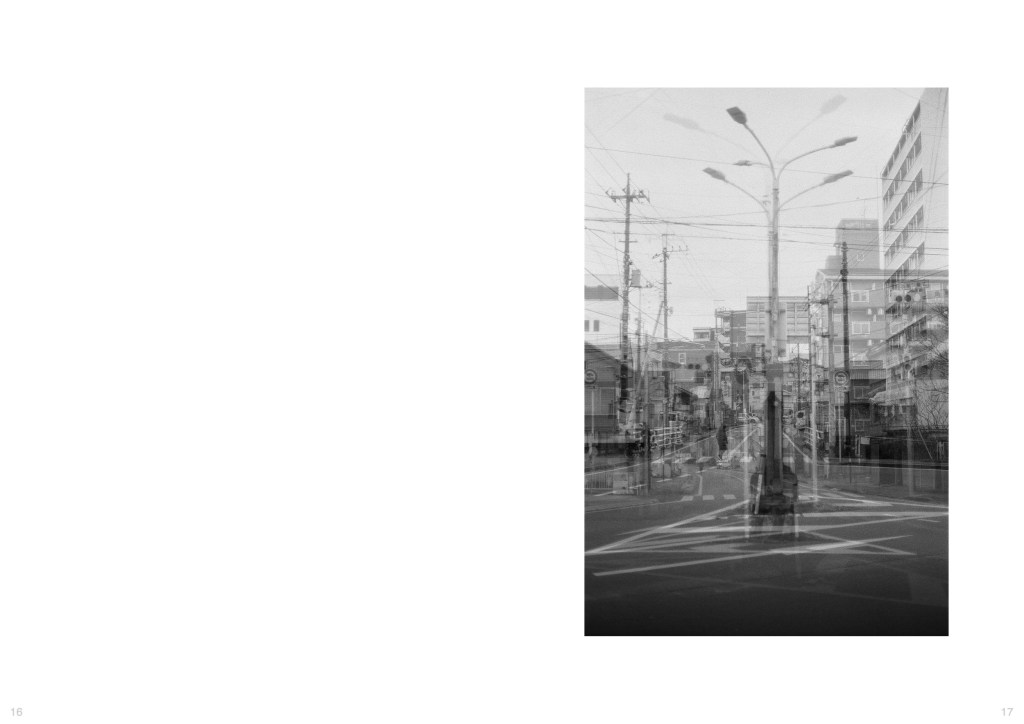
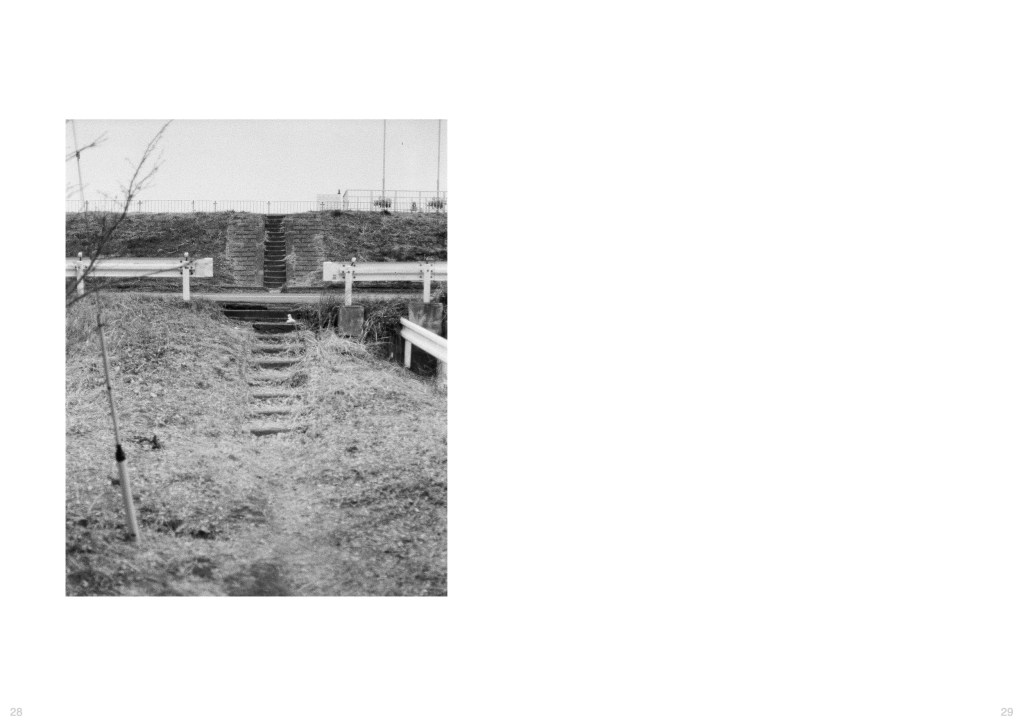
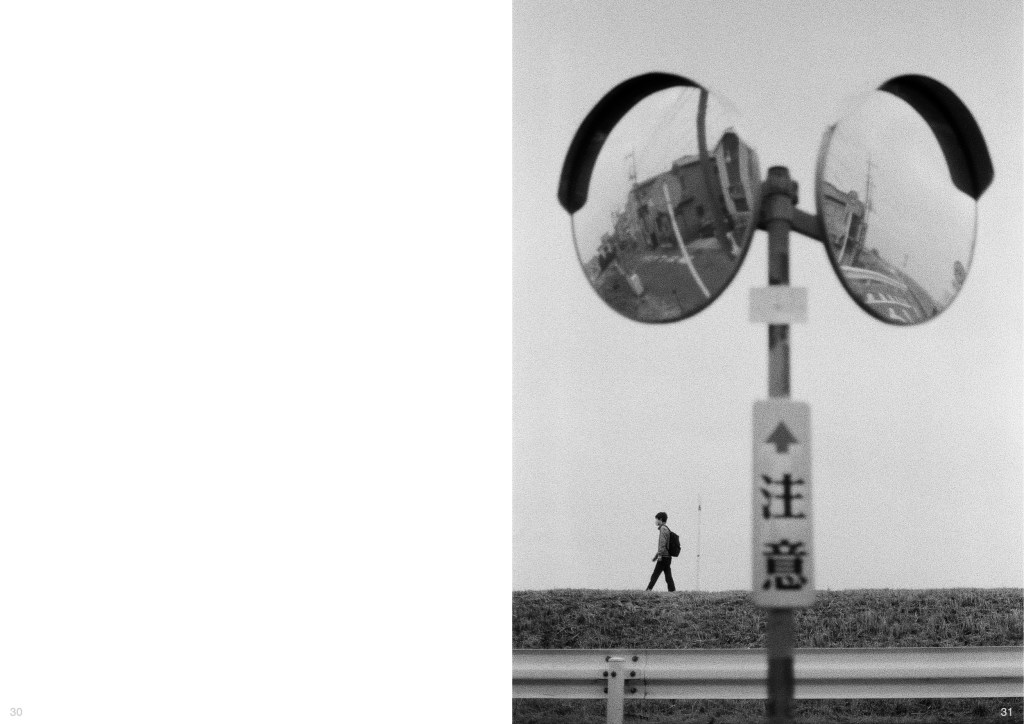
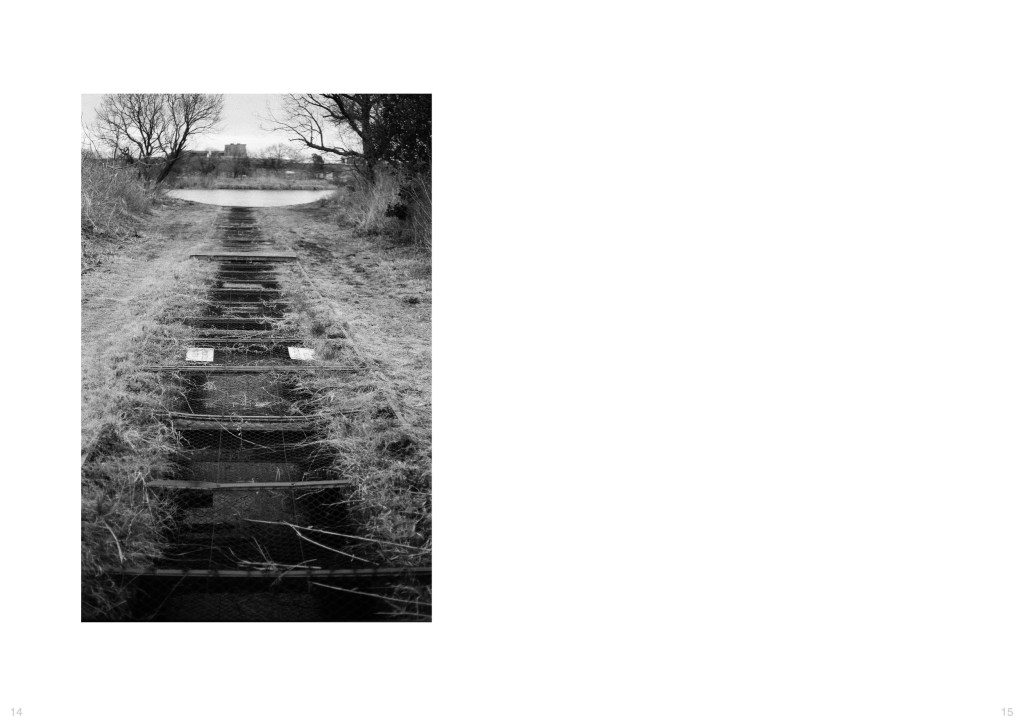
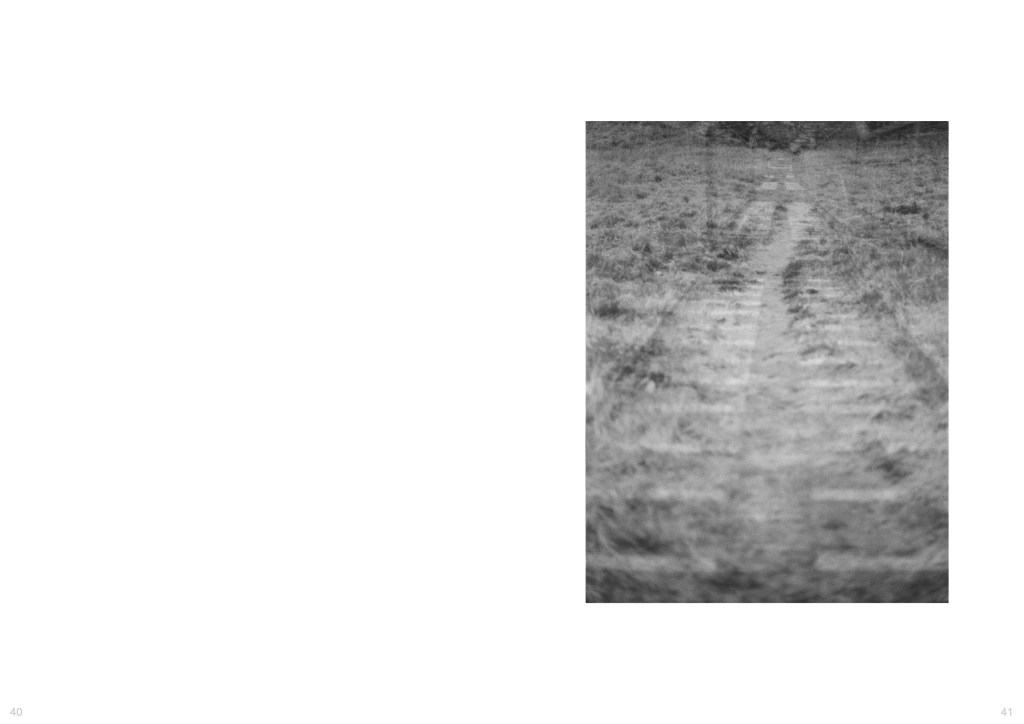
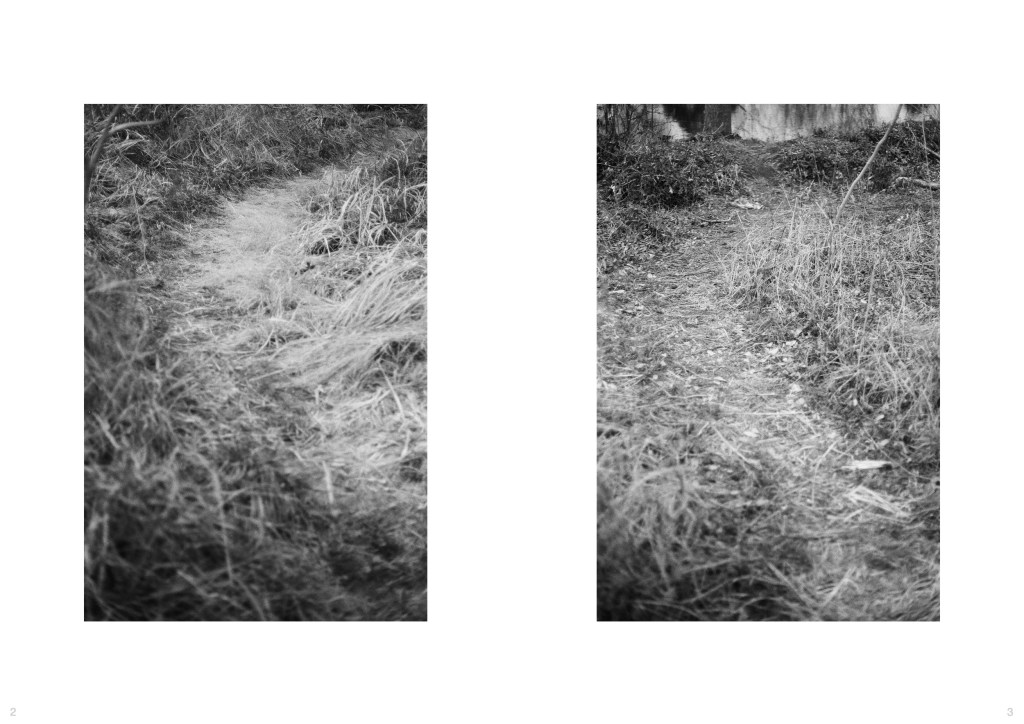
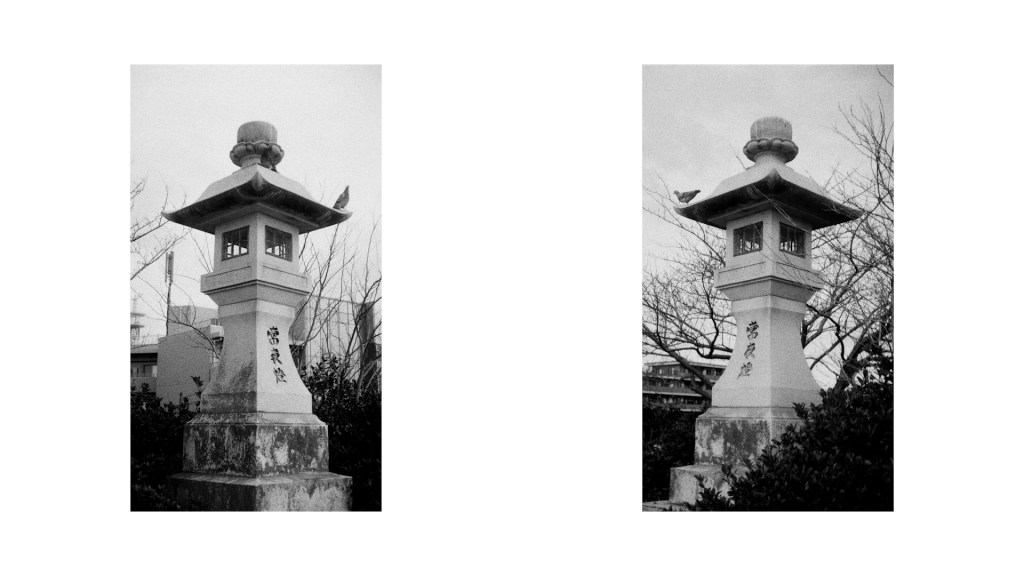
River transportation is no longer as flourishing as it once was. Along the road, many unnamed pathways diverge from the main road and lead in all directions. Some overlap and layer together, eventually leading to the river. At the end of the road stands an Edo River Nightlight on the riverbank, once used as a signal for boats traveling at night. A monument reads, “May water transportation resurge soon.”
 Tianming Zhou